

Selling a home without a real estate agent can give you more control over the transaction and may help you save on listing-agent commission. This approach is known as For Sale By Owner (FSBO).
However, understanding how to sell a house by owner involves more than finding someone willing to buy your property. You also need to understand the costs, prepare the required documents, review the purchase agreement, and coordinate the steps needed to transfer ownership.
This guide focuses on the financial and administrative side of selling a home yourself, including paperwork, legal considerations, buyer offers, and closing. These details can help you prepare for the transaction and understand when professional assistance may be worthwhile.
What Does Selling a House by Owner Mean?
Selling a house by owner means you manage the sale without hiring a real estate agent as your listing representative. You remain responsible for making decisions and coordinating the people involved in completing the transaction.
Depending on your property and local requirements, your responsibilities may include reviewing offers, preparing disclosures, negotiating contract terms, providing documents, and working with a title company or closing professional.
Selling without a listing agent does not mean you must handle every task alone. You may still choose to work with a real estate attorney, title company, photographer, or other professional when appropriate.
The key difference is that you are managing the sale rather than delegating the entire listing process to an agent.
How Much Does It Cost to Sell a House by Owner?
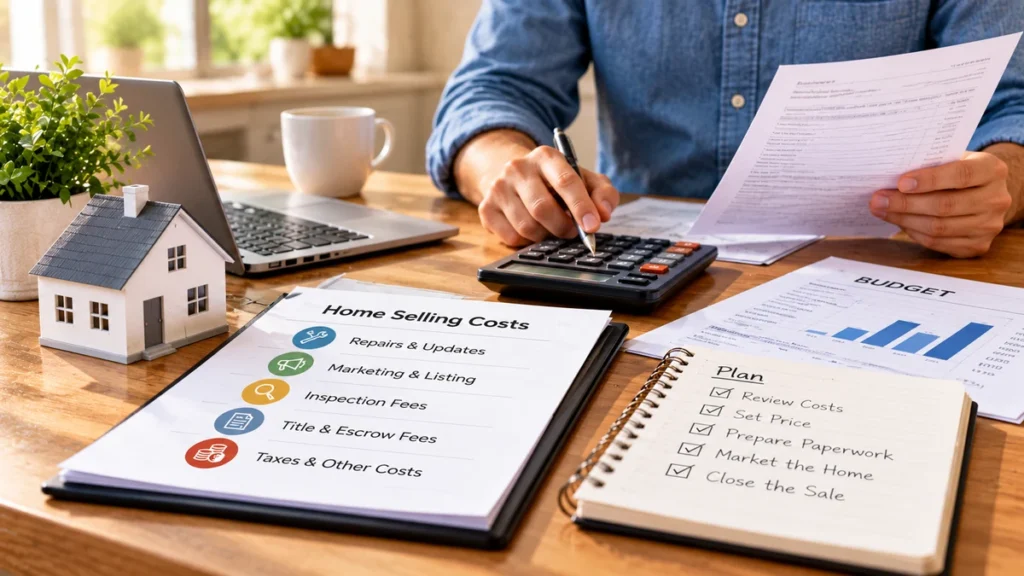
One reason homeowners consider FSBO is the possibility of saving on listing-agent commission. However, the actual cost of selling your home depends on the services you use, the terms you negotiate, and the requirements that apply to your property.
Common FSBO Selling Costs
Expenses you may need to consider include:
- Title search and title-related services.
- Escrow or closing fees.
- Real estate attorney fees, where appropriate or required.
- Recording fees and applicable transfer taxes.
- Property disclosures and any necessary inspections.
- Marketing or flat-fee listing services, if you choose to use them.
- Negotiated buyer concessions or other expenses specified in the purchase agreement.
Not every expense applies to every sale. Local laws, customary practices, and the terms of your contract can affect which party pays particular costs.
How Much Can You Save Selling by Owner?
Your potential savings depend on the listing commission you avoid, the professional services you purchase independently, and the other expenses associated with the transaction.
For example, avoiding a listing-agent commission may reduce your costs, but you should not assume that every other selling expense disappears. A buyer may also have a separate agent, and any compensation you agree to pay should be considered when calculating your proceeds.
To compare your options, estimate your expected net proceeds after the mortgage payoff, selling expenses, and negotiated concessions. This gives you a more useful picture than comparing commission rates alone.
What Paperwork Do You Need to Sell a House by Owner?
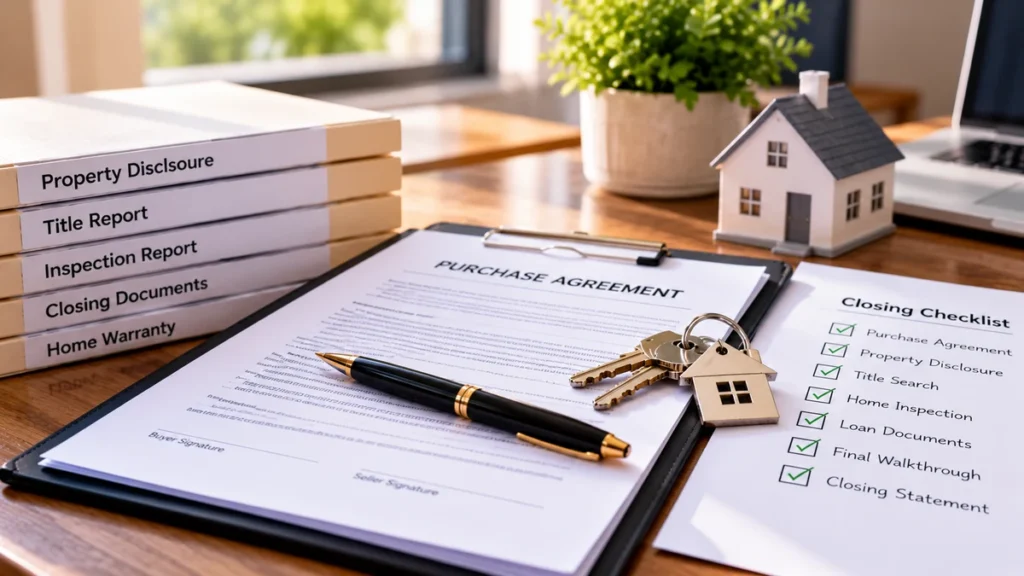
The paperwork required for a For Sale By Owner transaction varies by state, property type, ownership history, and the terms of the sale.
Preparing relevant documents early can help prevent avoidable delays and make it easier to respond to requests from the buyer, title company, or closing professional.
Property Ownership and Title Documents
You may need documents that establish ownership and help the closing professional review the property’s title. These can include the current deed, ownership records, and information about any mortgage or other recorded interests affecting the property.
If the title search identifies an unresolved lien or another ownership issue, additional steps may be necessary before closing. Ask the title company or a qualified real estate attorney how to address any issue that arises.
Property Disclosure Forms
Many states require sellers to disclose certain known material defects or other information about the property. The exact requirements and any applicable exceptions vary by location.
Complete the required forms accurately and do not knowingly conceal information that must be disclosed. If you are unsure what the law requires, obtain advice from a qualified local professional.
Purchase and Sale Agreement
The purchase agreement records the terms accepted by the buyer and seller. It may address the purchase price, earnest money, financing, contingencies, inspections, closing date, and other obligations.
Review the entire agreement before signing. Pay attention to deadlines and conditions that must be satisfied before the sale can close.
If a provision is unclear or you need help drafting or negotiating contract language, consider consulting a real estate attorney.
Closing Documents
The closing process may require a settlement statement, deed, tax forms, mortgage payoff information, and other documents based on the transaction.
The title company, escrow agent, closing attorney, or other responsible professional can explain which documents are required in your location. Keep copies of the completed paperwork for your records.
How to Review a Purchase Offer When Selling by Owner
When an offer arrives, the purchase price is only one part of the decision. The other terms can affect your costs, responsibilities, and likelihood of completing the sale.
Review the following details carefully:
- Purchase price: The amount the buyer proposes to pay.
- Earnest money: The deposit and the conditions governing its handling.
- Financing: Whether the buyer is using a mortgage or another source of funds.
- Contingencies: Conditions involving inspections, appraisal, financing, or other matters.
- Seller concessions: Any expenses or credits the buyer asks you to cover.
- Closing date: Whether the proposed timeline works for your circumstances.
- Additional terms: Any conditions that could affect your obligations or the transfer of the property.
Compare offers based on their complete terms and your expected net proceeds, not just the highest number on the page.
Before accepting an offer, make sure you understand the agreement. Once it is signed, changes may require mutual consent or must follow the contract’s procedures and applicable law.
What Happens Between Accepting an Offer and Closing?
Accepting an offer is an important milestone, but several steps may remain before the sale is complete.
Inspections and Appraisal
The buyer may arrange an inspection and, if financing is involved, an appraisal. The purchase agreement determines how these steps are handled and what rights the parties have if an issue is identified.
If the buyer requests repairs or a credit, review the request alongside the agreement before responding. Any changes should be documented appropriately.
Mortgage Payoff and Title Review
If you still owe money on the property, the mortgage generally needs to be paid off as part of the closing process. Request a current payoff statement from your lender and provide the information needed by the closing professional.
A title review may also identify liens, ownership discrepancies, or other matters that need attention. Resolve outstanding requirements before the transaction reaches its final stage.
Final Closing Statement
Before closing, review the statement showing the sale price, mortgage payoff, applicable fees, credits, and other adjustments.
Check that the figures match your understanding of the transaction. Ask the closing professional to explain any item you do not recognize before signing the final documents.
Transfer of Ownership
The final steps generally involve signing the required documents, handling the funds, and completing the ownership transfer according to local procedures.
Confirm when the sale is officially complete and follow the purchase agreement regarding possession and the handover of keys.
Common Problems That Can Delay an FSBO Closing
Even when a buyer and seller agree on a price, problems with documents or outstanding requirements can delay closing.
Common examples include:
- Missing or incomplete disclosures.
- Unresolved liens or title issues.
- Delays in obtaining a mortgage payoff statement.
- Contract deadlines that are missed.
- Disagreements about repairs or seller concessions.
- Financing or appraisal issues.
- Documents that require correction before signing.
You can reduce confusion by keeping records organized, responding promptly to legitimate requests, and confirming important deadlines in writing.
If an issue affects your legal obligations or your ability to transfer ownership, seek guidance from the appropriate closing professional or a qualified real estate attorney instead of guessing how to resolve it.
Is Selling Your House by Owner the Right Choice?
Selling by owner may suit homeowners who have time to manage the transaction, are comfortable communicating with buyers, and understand the work involved in coordinating documents and closing.
It may be less convenient if you have a complicated ownership situation, a tight deadline, or limited time to handle the administrative work. You should also consider whether the potential savings justify the responsibilities you will take on.
Before deciding, compare your estimated net proceeds, expected timeline, and the level of professional assistance you may need.
If your property requires substantial repairs, your options may be different. Our guide to selling a house that needs major repairs explains considerations for homeowners whose properties need significant work.
Explore Your Home-Selling Options
Selling a house by owner gives you more direct control over the transaction, but it also requires careful attention to costs, paperwork, contracts, and closing requirements.
If managing the sale yourself does not fit your circumstances, you can explore other selling options, including a direct sale to a cash home buyer.
TurnPro Home Buyers works with homeowners who want to discuss an alternative to the traditional selling process. Contact the team to learn whether a direct sale may fit your property and timeline. Review any offer and its terms carefully before deciding how to proceed.